
📈 Crypto ETFs: 7 Crucial Facts You Need to Know Before Investing in 2025
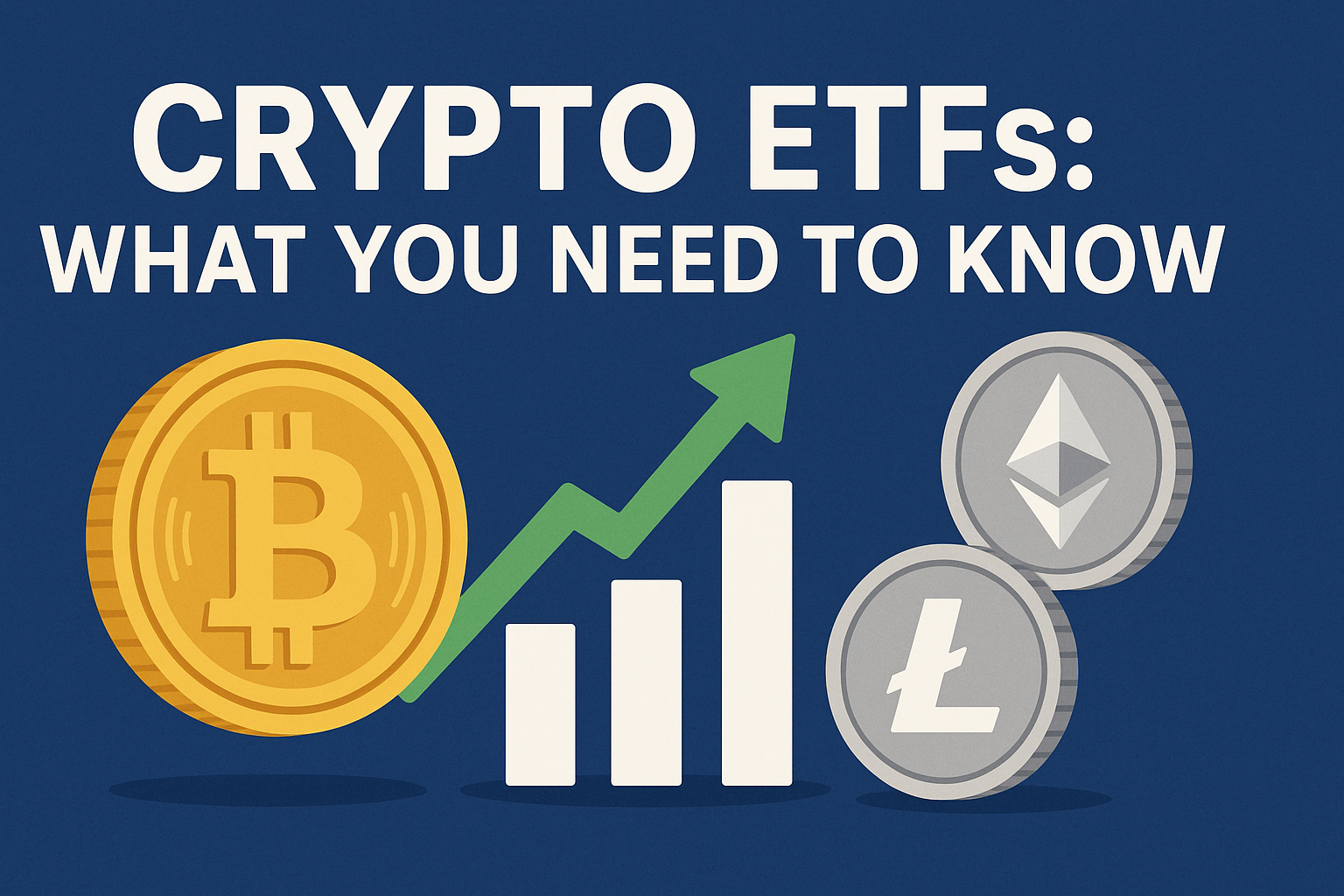
The crypto world is entering a new phase of mainstream acceptance, and nothing proves it more than the rise of Crypto ETFs — regulated investment vehicles that allow exposure to digital assets without directly owning them.
At bit2050.com, we break down everything you need to know about Crypto ETFs in 2025, including how they work, the best types, and how they’re reshaping institutional investing.
💡 What Is a Crypto ETF?
A Crypto ETF (Exchange-Traded Fund) is a publicly traded investment product that tracks the price of cryptocurrencies like Bitcoin or Ethereum.
Instead of buying BTC yourself:
-
You buy ETF shares through a brokerage
-
The ETF holds the underlying crypto or derivatives
-
You get price exposure without managing wallets or private keys
✅ ETFs make crypto investing safer, easier, and compliant.
🔍 7 Crucial Facts About Crypto ETFs in 2025
1. There Are Two Main Types: Spot & Futures ETFs
-
Spot ETFs hold actual crypto (e.g., BTC, ETH)
-
Futures ETFs track crypto prices via futures contracts
✅ Spot ETFs are more direct and usually lower risk for long-term investors.
2. Bitcoin Spot ETFs Are Now Live in the U.S.
After years of delay, 2024 saw approval of several Bitcoin Spot ETFs including:
-
BlackRock iShares Bitcoin Trust (IBIT)
-
Grayscale Bitcoin Trust (GBTC) converted to a spot ETF
-
Fidelity Wise Origin Bitcoin Fund
✅ Game-changer for institutional and retirement investors.
3. Ethereum ETFs Are Expected Soon
Ethereum Spot ETFs are awaiting approval, while ETH Futures ETFs are already live via:
-
VanEck Ethereum Strategy ETF
-
ProShares Ether Strategy ETF
✅ ETH ETFs will open doors for passive DeFi exposure.
4. Crypto ETFs Are Available in Multiple Countries
Besides the U.S., crypto ETFs are already live in:
-
Canada (Purpose Bitcoin ETF)
-
Germany (21Shares Bitcoin ETP)
-
Australia (Global X BTC ETF)
✅ ETFs make crypto accessible to traditional investors worldwide.
5. You Can Buy Crypto ETFs With a Regular Demat Account
In India and many countries:
-
ETFs are available through brokers like Zerodha, Groww, or Robinhood
-
No need for crypto wallets or exchanges
✅ Simple, compliant, and retirement-fund friendly.
6. Crypto ETFs Offer Lower Risk Than Holding Coins
Why investors prefer ETFs:
-
Regulated by SEBI, SEC, or local financial bodies
-
No risk of hacks or key loss
-
Institutional-grade custody (e.g., Coinbase, Fidelity)
✅ Ideal for risk-averse investors or retirement portfolios.
7. ETFs Are Changing the Institutional Crypto Landscape
With ETFs:
-
Pension funds, hedge funds, and family offices can now legally invest in crypto
-
Trillions in capital may flow into Bitcoin and Ethereum
-
Market volatility may reduce over time
✅ ETFs are the gateway to mainstream crypto adoption.
🧩 Useful Links (bit2050.com)
🌐 Resources
❓ FAQ – Crypto ETFs: What You Need to Know
Q1: What’s the difference between a crypto ETF and buying crypto directly?
A: Crypto ETFs let you invest without owning actual coins. No wallets, no keys — just traditional brokerage access.
Q2: Are crypto ETFs safe?
A: Yes. They’re regulated and use trusted custodians like Coinbase Custody, Fidelity, or BitGo.
Q3: Can I hold a crypto ETF in a retirement account?
A: Absolutely. In many countries, ETFs can be added to 401(k), IRA, or NPS accounts.
Q4: Do I need a crypto wallet for ETFs?
A: No. ETFs are held in your stock or demat account, not on-chain.
Q5: Are there any Indian crypto ETFs?
A: Not yet. Indian investors can invest in foreign crypto ETFs via global investing platforms like INDmoney or Vested.
✅ Final Thoughts
Crypto ETFs are the perfect bridge between traditional investing and the future of finance. They make it easier for investors of all levels to get exposure to Bitcoin, Ethereum, and other digital assets — without dealing with private keys, exchanges, or volatility risks.
Stay ahead of crypto investment trends with bit2050.com — your trusted source for blockchain finance, digital assets, and Web3 adoption.