
🌕 The Rise and Fall of Terra Luna: 7 Hard-Hitting Lessons Every Crypto Investor Must Know
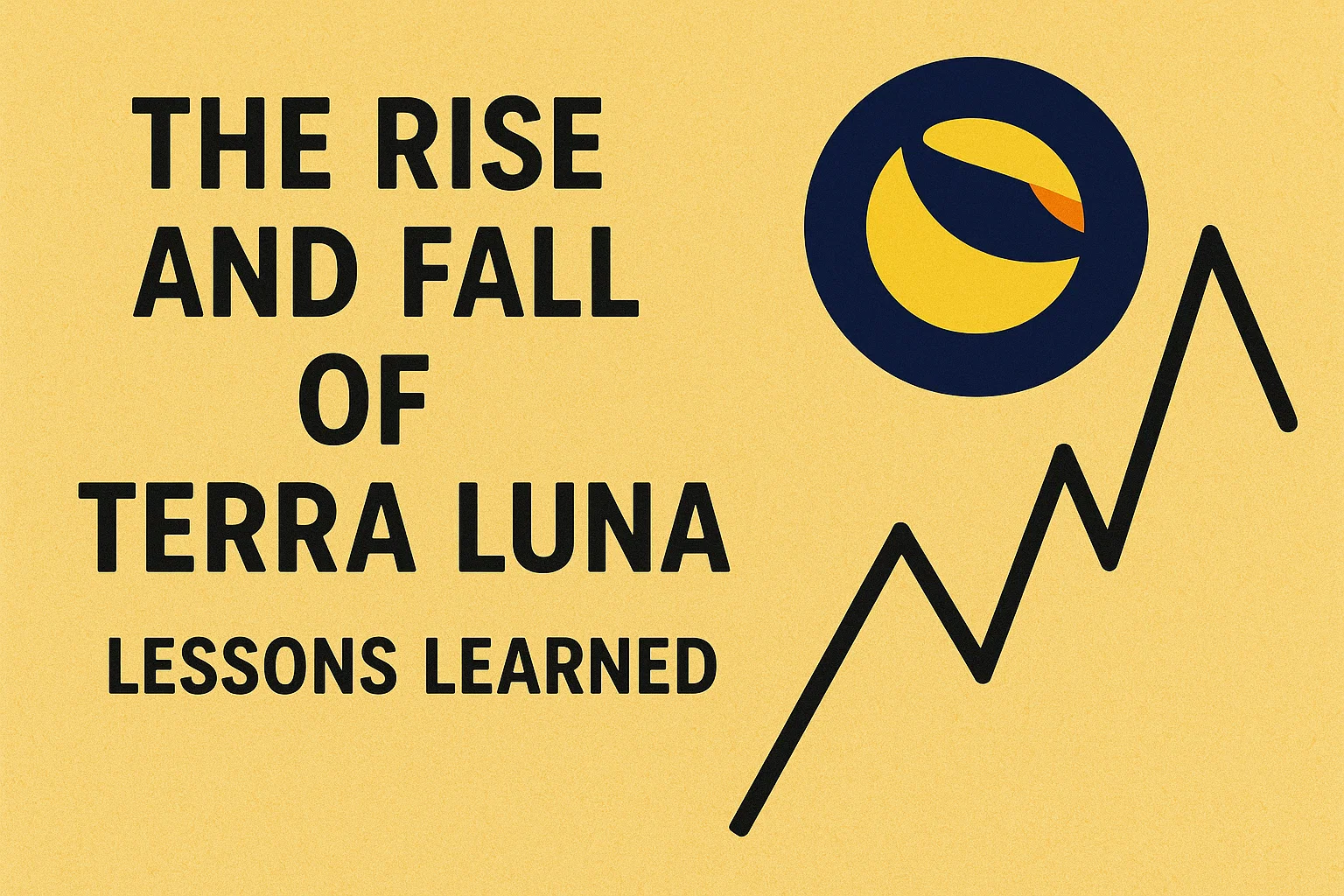
In early 2022, the rise and fall of Terra Luna shook the entire crypto world. What was once a top 10 cryptocurrency with a promising decentralized stablecoin system, collapsed in just days—wiping out over $40 billion in value. But why did this happen, and what can we learn from it?
This in-depth guide from bit2050.com explores the full story and 7 essential lessons every crypto investor should carry into 2025 and beyond.
🚀 The Rise of Terra Luna
-
LUNA and UST, developed by Terraform Labs under the leadership of Do Kwon, aimed to create a decentralized algorithmic stablecoin.
-
The protocol used a burn-and-mint mechanism to keep UST pegged to $1 by adjusting LUNA supply.
-
With high APYs on Anchor Protocol (nearly 20%), retail and institutional investors rushed in.
💥 The Collapse
In May 2022:
-
UST depegged from the US Dollar
-
Massive redemptions began, causing LUNA’s supply to hyperinflate
-
LUNA fell from over $80 to less than $0.01 in days
-
Billions were lost, and confidence in algorithmic stablecoins shattered
🧠 7 Lessons from the Rise and Fall of Terra Luna
1. 📉 High Yields Are Not Sustainable
If a DeFi protocol offers 20% APY, ask: “Where is the money coming from?”
2. 🔐 Decentralization Isn’t Always Secure
LUNA was decentralized in structure, but not in risk management. Centralized decision-making played a role in poor crisis response.
3. 🧮 Algorithmic Stablecoins Are Still Experimental
UST was not backed by real-world assets—making it extremely fragile during market stress.
4. 🌊 Liquidity Matters
Without deep liquidity and reserves, even large projects can fall apart in minutes during panic withdrawals.
5. 🛑 Always Diversify
Many users lost everything because they were “all-in” on LUNA and UST. Diversification is key in volatile markets.
6. 📰 Follow the On-Chain Data
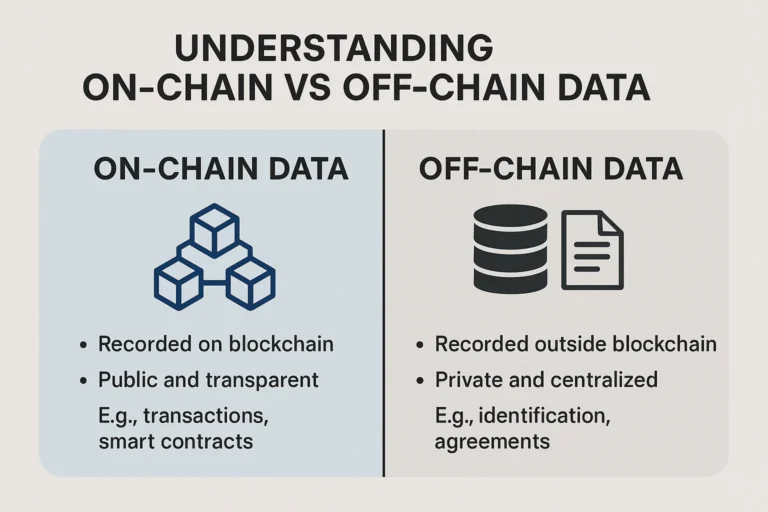
Smart investors monitor real-time wallet activity, liquidity flows, and red flags using tools like Nansen and DeFiLlama.
7. ⚖️ Regulatory Frameworks Are Coming
Post-LUNA, many countries accelerated crypto regulation, especially around stablecoins (like MiCA in the EU, and RBI’s VDA policies in India).
🔗 Useful Links – bit2050.com
🌐 Resources
❓ FAQ – The Rise and Fall of Terra Luna
Q1: Why did Terra Luna collapse?
A: Its algorithmic stablecoin UST lost its peg to the USD, triggering a death spiral as LUNA hyperinflated and trust collapsed.
Q2: Was the crash preventable?
A: Partially. If the protocol had better reserves and governance, the damage might have been contained—but the model itself was fragile.
Q3: What happened to Do Kwon?
A: He became a fugitive, facing lawsuits and criminal investigations from multiple countries, including South Korea and the US.
Q4: Are algorithmic stablecoins dead?
A: Not dead—but the trust and adoption are heavily damaged. Future models may require hybrid or collateralized backing.
Q5: Can Terra Luna ever recover?
A: Terra launched “LUNA 2.0,” but confidence remains low. Most investors treat it as a cautionary tale rather than a comeback story.
✅ Final Thoughts
The rise and fall of Terra Luna is a reminder of how fast things can change in crypto. No matter how promising a project seems, always DYOR (Do Your Own Research), diversify your holdings, and stay updated through credible sources like bit2050.com.