💡 How Blockchain Can Revolutionize Finance: 7 Game-Changing Impacts in 2025
The traditional financial system is riddled with inefficiencies — high fees, slow transactions, limited access, and centralized control. But here’s the good news: blockchain is disrupting finance as we know it.
At bit2050.com, we break down how blockchain can revolutionize finance through transparency, speed, and accessibility. Here are 7 powerful ways this is happening in 2025.
🚀 1. Decentralized Lending & Borrowing
Platforms like Aave, Compound, and Venus enable peer-to-peer loans without banks. Borrowers use crypto as collateral, and interest rates are dictated by market supply and demand — not central authorities.
💰 2. Borderless Payments
Blockchain enables instant, low-cost cross-border payments, replacing expensive SWIFT wires. Ripple (XRP), Stellar (XLM), and stablecoins like USDT are leading this change.
🧾 3. Transparent Auditing & Accounting
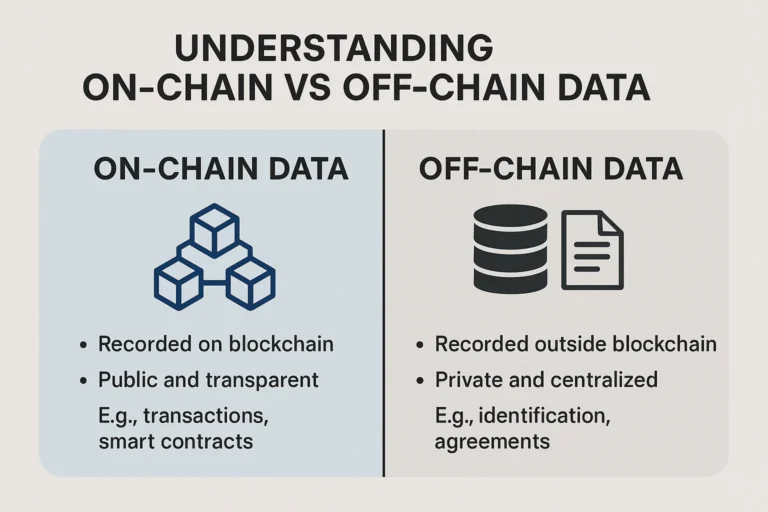
With all transactions recorded on-chain, auditors can trace every move in real-time. This reduces fraud, enhances trust, and streamlines regulatory compliance.
📊 4. Programmable Finance (Smart Contracts)
Using Ethereum, Solana, and Polkadot, financial contracts can be automated through smart contracts. Think auto-pay loans, split revenue sharing, or dynamic insurance payouts — all coded and enforced transparently.
🔐 5. Asset Tokenization
Real-world assets like real estate, stocks, and bonds are being tokenized and traded 24/7. This increases liquidity and enables fractional ownership, making investing more inclusive.
🏦 6. Self-Custody & Wallets
No need for traditional banks. Blockchain wallets (e.g., MetaMask, Trust Wallet, Ledger) let users own and control their funds, avoiding counterparty risk.
🏛️ 7. Financial Inclusion for the Unbanked
With just a smartphone, anyone can access DeFi apps, stablecoins, and global finance — especially powerful in underserved regions like Africa, South Asia, and Latin America.
🧠 Useful Links – bit2050.com
🌐 Resources
❓ FAQ – How Blockchain Can Revolutionize Finance
Q1: Can blockchain completely replace banks?
A: Not yet, but it’s disrupting many of their core functions, especially in lending, payments, and custody.
Q2: Is DeFi safe for financial services?
A: While innovative, DeFi has risks like smart contract bugs and exploits. Users must do thorough research.
Q3: How does blockchain reduce costs in finance?
A: By eliminating intermediaries, manual processes, and delays — resulting in faster and cheaper transactions.
Q4: What role do stablecoins play?
A: Stablecoins like USDC and USDT act as digital dollars, enabling stable and efficient financial interactions on-chain.
Q5: How is blockchain helping developing countries?
A: It enables low-cost remittances, savings in stable digital currencies, and access to global credit markets.
✅ Final Thoughts
How blockchain can revolutionize finance is no longer a question of “if,” but “how fast.” From cross-border payments to full-scale DeFi banking, the blockchain movement is reshaping the way money works — for everyone.
Stay tuned with bit2050.com for trusted insights into the evolving world of crypto, DeFi, and the decentralized future.