
🧠 How to Do Fundamental Analysis of a Coin: 7 Expert Steps for Smart Investing
Crypto isn’t just about hype. If you want to invest wisely, knowing how to do fundamental analysis of a coin is a must. At bit2050.com, we break it down into 7 practical steps to help you separate solid projects from potential scams.
1. 📜 Understand the Project’s Use Case
What problem does the coin solve?
-
Is it building infrastructure (like Ethereum)?
-
Is it improving scalability (like Solana)?
-
Or is it just another meme token?
Look for real-world application, not just hype.
2. 👨💻 Evaluate the Team Behind It
Is the team doxxed and experienced?
Check:
-
LinkedIn profiles
-
GitHub activity
-
Past successful projects
Bonus tip: If they’ve worked in crypto before, it’s a green flag.
3. 🏗️ Review the Whitepaper & Roadmap
Every serious project has a whitepaper that explains:
-
Technology
-
Tokenomics
-
Roadmap
-
Governance
Avoid coins with vague or copy-paste whitepapers.
4. 🔍 Check Tokenomics
-
Max Supply
-
Circulating Supply
-
Inflation Model
-
Allocation (Team, Treasury, Community)
Red flags: Huge pre-mines, large dev allocations, unclear vesting periods.
5. 🧪 Examine Developer Activity
Check GitHub commits, code frequency, and how active the community of builders is.
-
Use CryptoMiso or GitHub to verify.
No code = No development = No future.
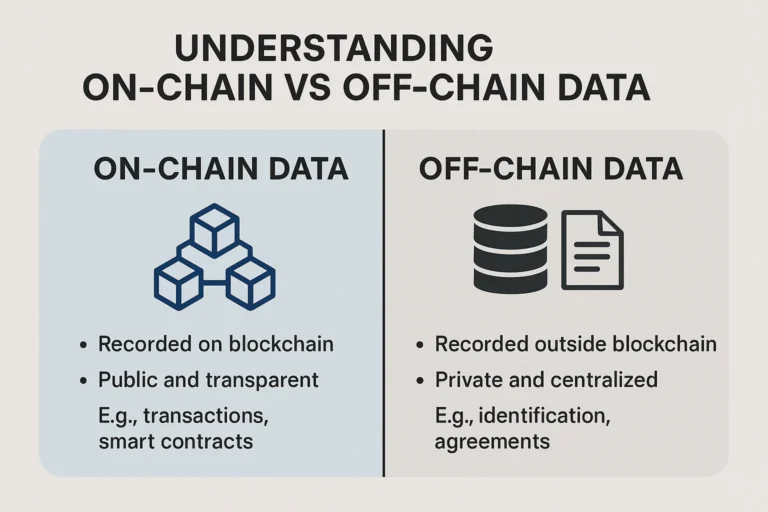
6. 📊 Analyze On-Chain Metrics
Look into:
-
Active addresses
-
Transaction volume
-
Holder distribution
-
Liquidity on DEXs
Use tools like:
7. 🌐 Community & Ecosystem Strength
A strong project has:
-
Engaged community (Discord, Twitter, Telegram)
-
Developers building dApps on it
-
VC or exchange support
A project without a community is just code.
🧠 Useful Links
📚 Resources
❓ FAQ – How to Do Fundamental Analysis of a Coin
Q1: What is fundamental analysis in crypto?
A: It’s the process of evaluating a coin’s intrinsic value using use-case, team, tokenomics, and data—not hype.
Q2: What’s the most important factor in analyzing a crypto project?
A: A combination of a real-world use case, a skilled team, and strong tokenomics.
Q3: How do I know if a coin is a good investment?
A: Look at adoption, developer activity, and on-chain metrics—not just price movement.
Q4: Are whitepapers always reliable?
A: Not always. Many scam coins use copy-paste or AI-generated whitepapers. Cross-check with development progress and community size.
Q5: Do I need to know coding to analyze crypto projects?
A: No, but understanding GitHub activity and code updates helps gauge project seriousness.
✅ Final Thoughts
Knowing how to do fundamental analysis of a coin is your edge in crypto investing. Don’t just chase hype—study, research, and invest smart.
For more crypto guides, tools, and expert insights, visit bit2050.com — your trusted resource for blockchain knowledge in 2025.