
💸 DeFi Explained: 9 Beginner Tips to Understand Decentralized Finance in 2025
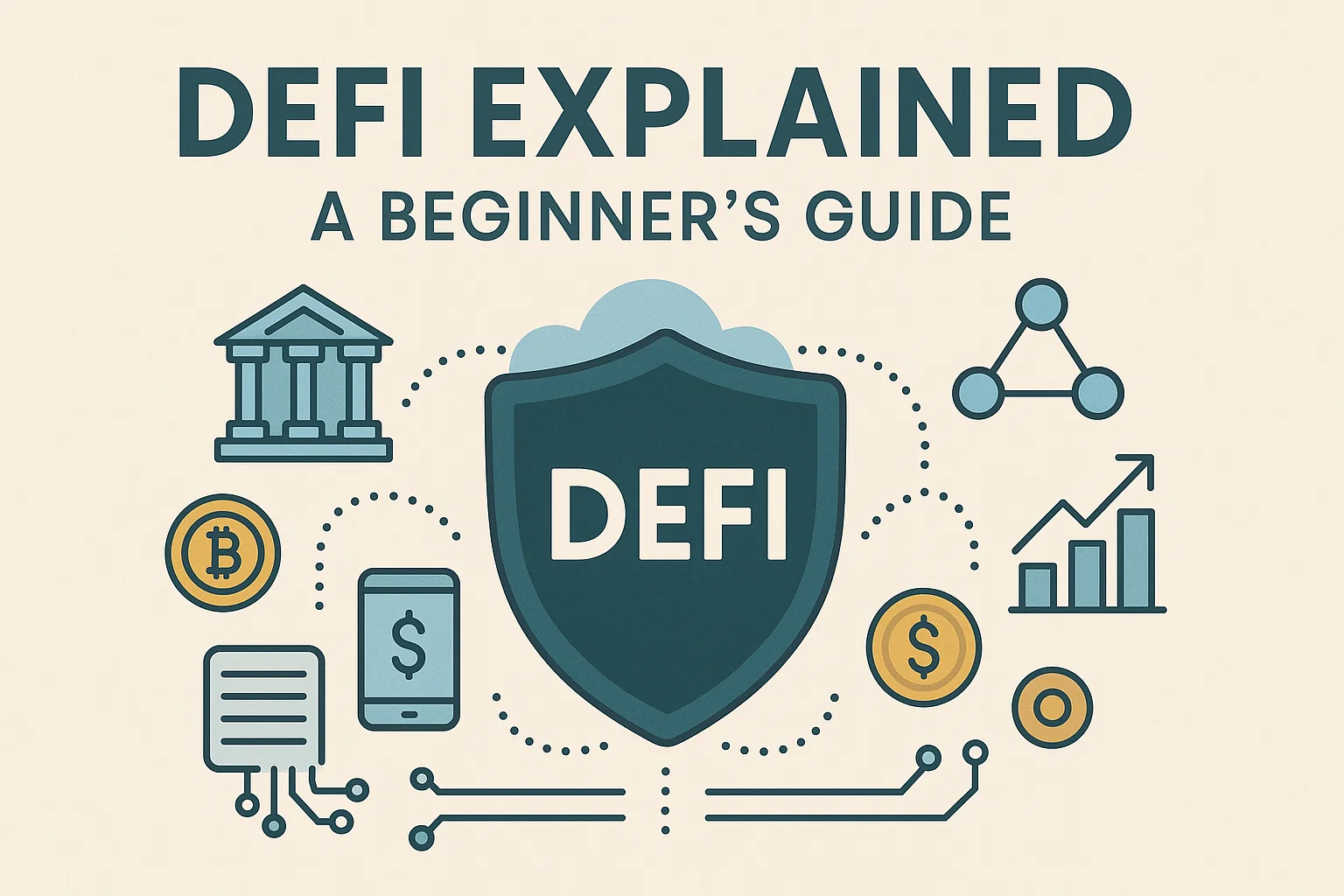
DeFi explained simply means understanding the world of decentralized finance, where traditional banking services are rebuilt using smart contracts on the blockchain.
This beginner-friendly guide from bit2050.com will walk you through what DeFi is, how it works, and how you can participate — even if you’re completely new to crypto.
🔍 What is DeFi?
DeFi stands for Decentralized Finance — a financial system built on blockchain that replaces banks and middlemen with smart contracts.
It enables you to:
-
Lend and borrow crypto
-
Earn interest (APY)
-
Trade assets via decentralized exchanges (DEXs)
-
Stake tokens and provide liquidity
-
Participate in governance
🧠 DeFi Explained: 9 Tips for Beginners
1. 🏦 No Banks Needed
DeFi apps (also called dApps) run without banks. Everything is managed via smart contracts on Ethereum, Solana, or other blockchains.
2. 💼 You Control Your Money
With DeFi, you hold your funds in non-custodial wallets like MetaMask or Trust Wallet — not in an exchange.
3. 🔁 Use Decentralized Exchanges (DEXs)
Swap tokens using DEXs like Uniswap, SushiSwap, or PancakeSwap — no KYC, no middlemen.
4. 💸 Earn with Lending & Borrowing
Platforms like Aave and Compound let you earn passive income or borrow crypto against your collateral.
5. 🌾 Try Yield Farming
Provide liquidity to pools and earn rewards in the form of fees or tokens.
6. 📈 Watch Out for Volatility
DeFi assets are volatile. Always do your own research (DYOR) before investing.
7. 🔐 Security is Your Responsibility
Use tools like Revoke.cash and hardware wallets to protect your funds.
8. 🧩 Gas Fees Matter
Some DeFi actions cost ETH gas fees. Use Layer 2 solutions (like Arbitrum) to save money.
9. 🗳️ Participate in Governance
Many DeFi projects use governance tokens (like UNI or COMP) to let users vote on platform decisions.
🧠 Useful Links
📚 Resources
❓ FAQ – DeFi Explained for Beginners
Q1: Is DeFi safe?
A: DeFi has risks — smart contract bugs, rug pulls, and volatile markets. Use trusted platforms and store funds securely.
Q2: Do I need to verify my identity to use DeFi?
A: No. Most DeFi protocols are anonymous and permissionless.
Q3: What are some beginner-friendly DeFi platforms?
A: Start with Uniswap, Aave, Compound, or 1inch.
Q4: Can I lose money in DeFi?
A: Yes. If the market moves against your position or a protocol is hacked, you could lose funds.
Q5: What wallet should I use for DeFi?
A: MetaMask is a popular browser wallet. For higher security, use a hardware wallet like Ledger.
✅ Final Thoughts
With DeFi explained clearly, you’re now ready to explore this exciting space. Decentralized Finance opens the door to a borderless financial system — but it rewards those who learn, test, and manage risk wisely.
For more crypto and DeFi guides, explore bit2050.com — your trusted source for blockchain education.