
🛡️ How to Avoid Crypto Scams: 11 Smart Tips to Stay Safe in 2025
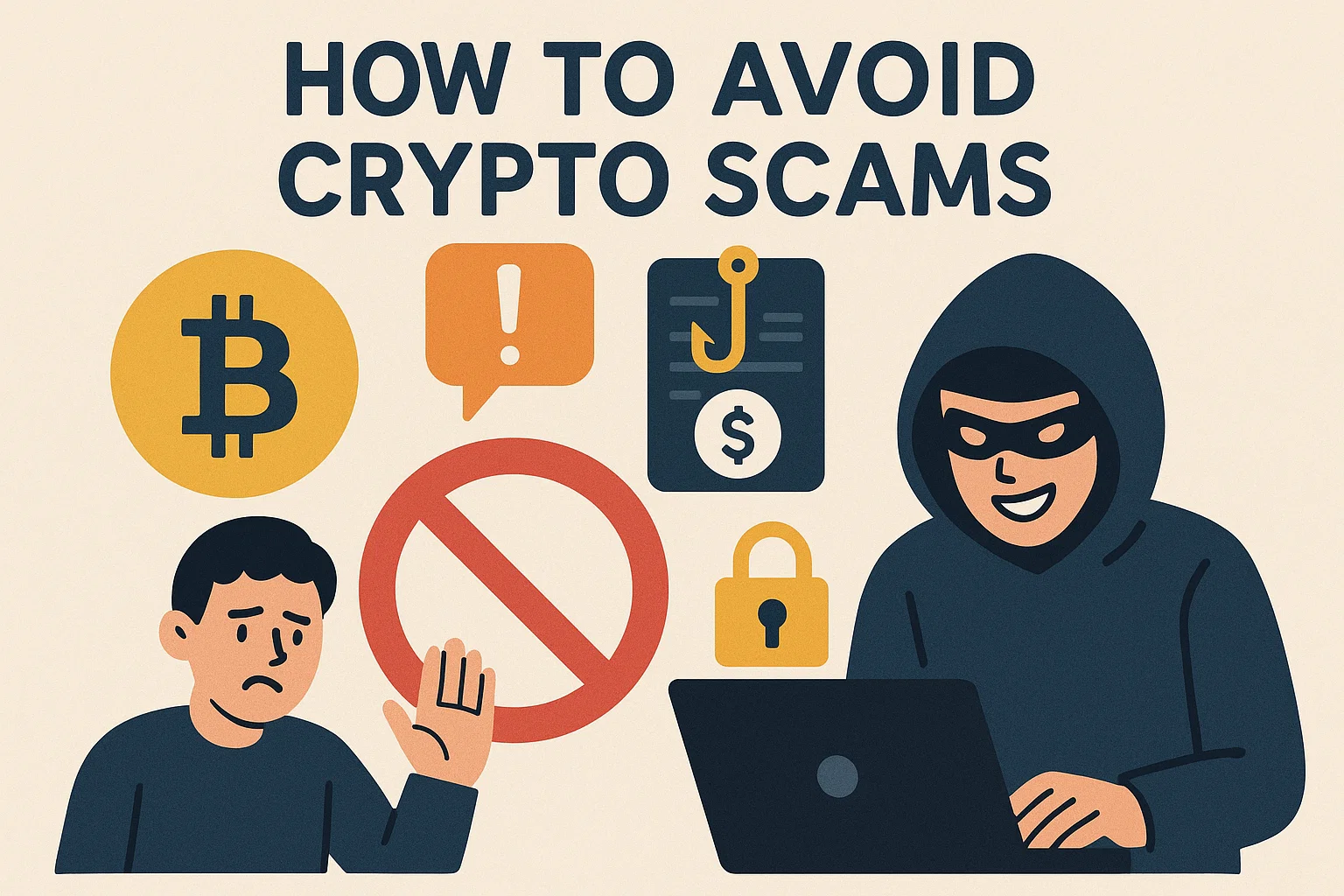
How to avoid crypto scams is one of the most important lessons every investor must learn before diving into blockchain.
With billions lost to rug pulls, phishing attacks, and fake tokens, crypto safety is no longer optional — it’s essential.
Here at bit2050.com, we’re breaking down 11 proven ways to stay secure in the ever-evolving Web3 landscape.
🔐 Top 11 Tips to Avoid Crypto Scams
1. 🧩 Use Reputable Exchanges Only
Stick to well-known exchanges like Coinbase, Binance, and Kraken. Avoid unknown platforms with low trust scores.
2. 🔍 DYOR – Do Your Own Research
Don’t trust social media hype. Always check:
-
Project website
-
Whitepaper
-
Developer background
-
Tokenomics
3. 🧠 Don’t Trust Random Messages
Ignore unsolicited DMs claiming airdrops, rewards, or “urgent help.” Scammers often pretend to be admins.
4. 🧰 Use Smart Contract Tools
Check token contracts on:
5. 🧾 Verify URLs Carefully
Fake sites mimic trusted platforms. Bookmark official links. Look for HTTPS and correct spelling.
6. 🔐 Protect Your Seed Phrase
Never share your seed phrase. No legit project will ask for it — ever.
7. ⚠️ Watch for Rug Pull Red Flags
Avoid projects with:
-
Locked liquidity
-
Anonymous devs
-
Overpromised returns
-
No community transparency
8. 🔓 Use a Hardware Wallet
Cold wallets like Ledger or Trezor protect your crypto from phishing and malware.
9. 📉 Don’t Fall for Pump-and-Dump Groups
Telegram and Discord “whale” groups promising quick gains often manipulate newbies.
10. 🚫 Avoid Fake DEX Links
Always access DEXs (like Uniswap or PancakeSwap) from official domains. Fake DEX UIs can drain your wallet.
11. 🔄 Revoke Old Approvals
Use Revoke.cash to remove old smart contract access you no longer use.
🧠 Useful Links
📚 Resources
❓ FAQ – How to Avoid Crypto Scams
Q1: What’s the most common crypto scam in 2025?
A: Phishing links, fake token airdrops, and Telegram DM impersonators are still the top threats.
Q2: How can I verify a new project’s legitimacy?
A: Check its GitHub, whitepaper, social activity, token audit reports, and liquidity lock duration.
Q3: Should I trust influencers promoting coins?
A: Not blindly. Many paid promotions don’t disclose risks or affiliations.
Q4: Are airdrops safe?
A: Some are legit, but others trick you into signing malicious contracts. Always research before claiming.
Q5: Can I get scammed even if I don’t share my keys?
A: Yes. Signing bad smart contracts or interacting with fake sites can still drain your wallet.
✅ Final Thoughts
Knowing how to avoid crypto scams is crucial for surviving and thriving in this decentralized financial revolution. Education, skepticism, and the right tools are your best protection.
Stay updated with secure crypto practices by following bit2050.com — your trusted blockchain knowledge base.